Needed: A Framework for Environmental Collaboration.
This website presents a simple process that can provide engagement, alignment, and transparency needed to address issues like climate change and biodiversity.
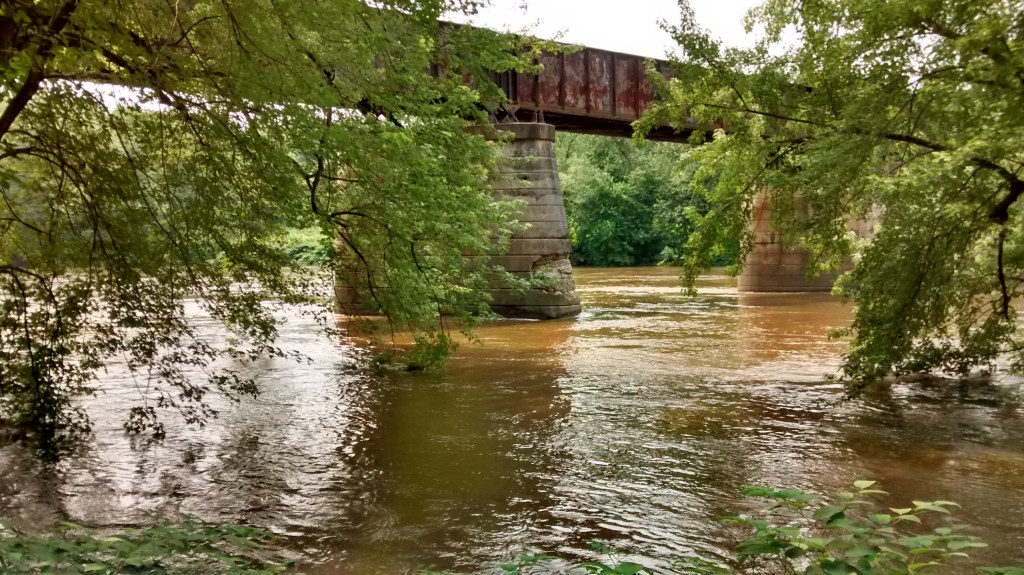
The Susquehanna is a beautiful river with a rich history and state-of-the-art oversight. But it is also seriously compromised, despite decades of hard work to regulate and repair it. In my opinion — we are seeing a case of collective dysfunction, that cannot be attributed to any one source or party. How can this be remedied?
This website will stress the need for a collective approach that can support a systems transformation — radical improvements brought about by better coordination and partnership. This is more or less the same thing that all the ‘experts’ are calling for – collective solutions, a universal approach, transformation, ETC. But it is hard to find a good description for just HOW this transformation could take place. HOW, is the question – and that is what I will focus on in this blog.
Before any real transformations can take place, there has to be widespread transparency and constructive engagement. That process will make it clear as to: WHO is doing What – which is the starting point for any real coordination or alignment. I am calling this process ‘GRAP’, for ‘Global Re-Alignment’. There is nothing new about this process, except that it must be applied universally, rather than just internally inside agencies or sectors.
In the first few chapters I will explain the basics, which includes: 1) an engagement process supported by: 2) a communication/presentation tool (or ‘app’). This tool is a lot like many familiar crowdsourcing apps, such as Uber or AirBnB.
In the next few chapters I will focus on the environment in particular, and how this process can help bring all sectors together for an ‘All-In’ approach. In the last few chapters, I will look at some specific changes in agriculture and land management that could have rapid and profound effects on global climate and sustainability. I hope these examples will make the GRAP process clear.
Here are some of the main themes in this discussion: First, we have to switch from a conflicted to a collective approach. Taking sides is not helpful, and I like to assume that all parties would like to help make this a better world. Another major theme is to focus efforts on areas in which we can really make a difference, rather than feel-good actions that have little or no chance of success. It would be nice if elections would suddenly become fair, and if nations would just decide to stop fighting, and if capitalism were more accountable – but all that is not happening soon. On the other hand, farmers could adopt some simple changes that would radically alter climate change in just a few years. Its actually quite feasible under current conditions and resources! Lets focus on the feasible solutions, and not waste time with the others.
I hope your enjoy this site, and share your ideas. As the site develops, I will try to include all points of view.
The next few chapters provide an introduction into the basics of GRAP!
Please go to the Index page to see a series of 8 posts that talk about a modern approach to mobilization and collective action, with a strong focus on agriculture and ecosystems.
The first paper is an introduction to the whole topic, at “The Current Situation”.
 Panicaea